

Oklahoma motorcycle helmet laws require riders and passengers under age 18 to wear approved helmets. Riders who are 18 or older generally are not required to wear a helmet under state law. However, Oklahoma has other safety-equipment rules that apply to motorcyclists.
If you were injured in a motorcycle crash in Oklahoma City, OK, McIntyre Law can explain how state motorcycle laws may relate to your case. Contact us at (405) 917-5200 to schedule a free consultation with an Oklahoma City motorcycle accident lawyer.
Why Choose McIntyre Law for Help After a Motorcycle Accident in Oklahoma City?
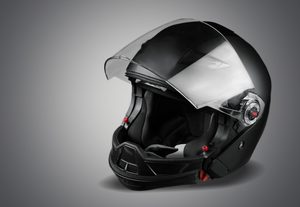
A helmet can reduce the risk of serious head injuries, but it cannot prevent another driver from causing a crash. If you were hurt because someone else was careless, an Oklahoma City motorcycle accident attorney at McIntyre Law can investigate the collision and determine what options may be available.
Our attorneys bring substantial experience and recognition to motorcycle accident claims—members of the firm have earned honors that include:
- Recognition among Super Lawyers Top Lawyers in Oklahoma
- Selection to The National Trial Lawyers Top 100 Trial Lawyers
- Multiple awards from the Oklahoma Association for Justice
Our attorneys have 165 years of combined experience and have recovered more than $900 million for clients. Contact us today for a free consultation with an Oklahoma City personal injury lawyer.
Does Oklahoma Require Motorcycle Riders to Wear Helmets?
Not every motorcycle rider in Oklahoma is required to wear a helmet. Under Oklahoma Statutes Title 47, Section 12-609, anyone under age 18 who operates or rides on a motorcycle must properly wear a crash helmet that complies with applicable federal standards.
Motorcycle operators and passengers who are 18 or older may ride without a helmet under Oklahoma law, although a helmet is generally recommended for all riders.
This age-based rule applies to both motorcycle operators and passengers. A minor passenger cannot legally ride without an approved helmet simply because the motorcycle operator is an adult.
What Kind of Motorcycle Helmet Is Required in Oklahoma?
Oklahoma law does more than require riders under 18 to wear a helmet. The helmet must comply with the federal motorcycle helmet standard found in 49 C.F.R. Section 571.218.
That federal standard establishes performance requirements for motorcycle helmets. Riders purchasing protective headgear should look for a helmet designed and certified for motorcycle use rather than relying on bicycle helmets, novelty helmets, or other head coverings that do not satisfy the required standard.
Even when a rider is old enough to legally ride without a helmet, choosing approved protective gear may reduce the risk of severe head and facial injuries in a collision.
Does Oklahoma Require Motorcycle Riders to Wear Eye Protection?
Oklahoma also regulates eye protection for motorcycle operators. State law requires motorcycles to have a windshield that is sufficient to protect the operator from foreign objects. If the motorcycle does not have an adequate windshield, the operator must use qualifying protective eyewear or a face shield.
The statute specifies goggles or other protective eyewear that meet ANSI Standard Z87.1 and stay securely in place. Unlike Oklahoma’s helmet requirement, which generally applies only to riders under 18, the eye-protection equipment rule is not limited to minors.
These requirements can help protect riders from dust, insects, rocks, and other debris that could interfere with their ability to see and control the motorcycle.
Are There Other Motorcycle Equipment Laws in Oklahoma?
Yes. Oklahoma law contains several equipment requirements in addition to the rules for helmets and eye protection.
Under Title 47, Section 12-609, motorcycles generally must have equipment that includes:
- Two rearview mirrors
- A proper windshield or qualifying eye protection
- An operating speedometer
- A fender over each wheel
- A compliant horn
- A muffler or another effective noise-suppression system
Other provisions of Oklahoma law address equipment such as brakes, lights, and turn signals. Riders should make sure their motorcycles meet applicable safety requirements before using them on public roads.
Can Not Wearing a Helmet Affect a Motorcycle Accident Claim?
Whether helmet use affects an injury claim depends on the circumstances. The first question in a motorcycle accident case is generally who caused the collision. A motorcyclist’s decision to ride without a helmet does not, by itself, establish that the rider caused another driver to run a red light, make an unsafe turn, or otherwise cause a crash.
However, helmet use could become an issue when the nature or extent of a rider’s injuries is disputed. For example, an insurance company may raise questions about protective equipment when a claim involves a head or facial injury.
The effect of those arguments is fact-specific. An attorney can review the type of injuries involved, the rider’s age, the equipment being used, and the circumstances of the collision before determining how helmet use may affect a particular claim.
Why Should Motorcyclists Consider Wearing a Helmet Even When It Is Not Required?
Although Oklahoma generally allows riders 18 and older to ride without a helmet, protective gear can reduce the risk of serious injuries. A properly fitted motorcycle helmet, eye protection, gloves, boots, and protective clothing can provide additional protection if a crash occurs.
Riders can also reduce risks by completing motorcycle safety training, staying visible to other motorists, and avoiding impaired or distracted riding.
Contact an Oklahoma City Motorcycle Accident Attorney for a Free Consultation
Motorcycle laws can become important after a collision, especially when an insurance company disputes fault or questions the extent of a rider’s injuries. Understanding which rules applied at the time of the crash can help clarify the issues involved in a claim.
McIntyre Law can review the circumstances of your motorcycle accident and explain your legal options. Contact us to schedule a free consultation with an Oklahoma City motorcycle accident attorney.