

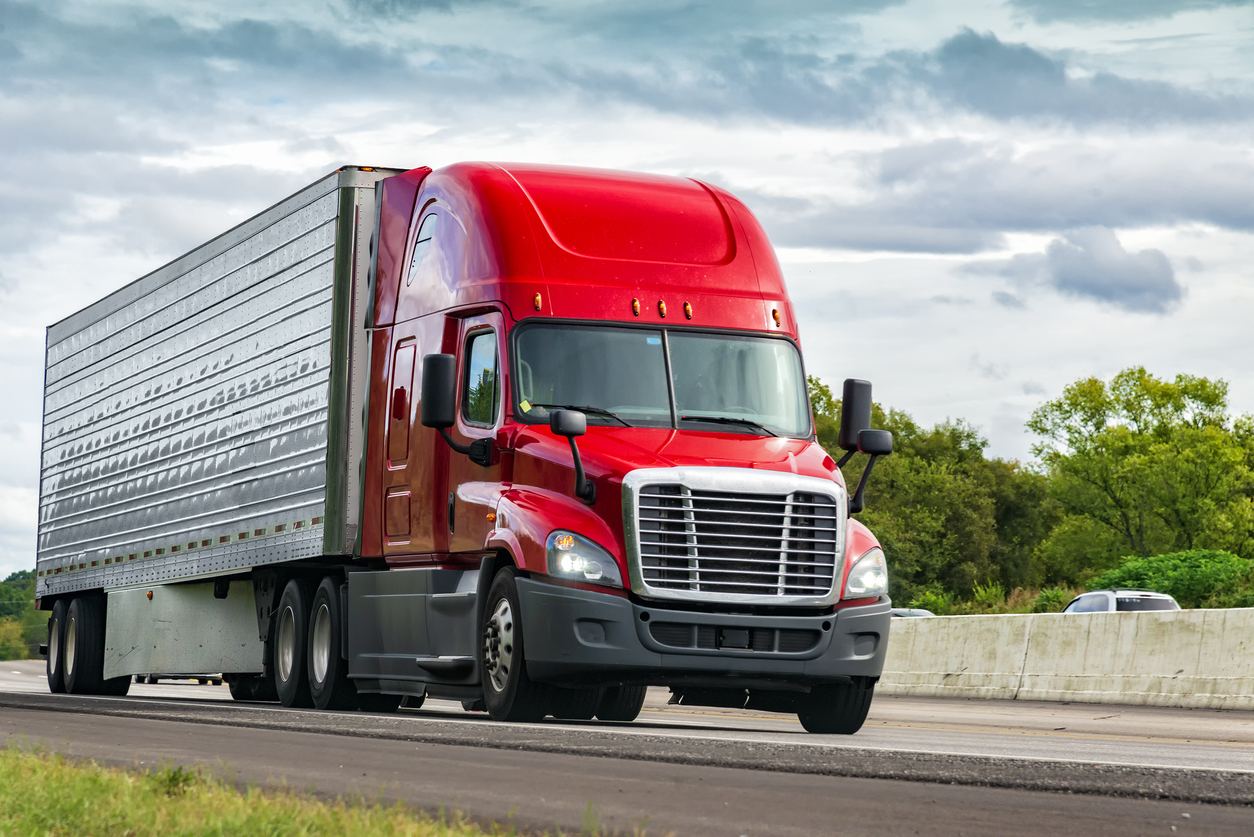
A tractor-trailer does not have to cross the Oklahoma state line for federal trucking regulations to matter. That may sound surprising. After all, the basic distinction between interstate and intrastate trucking seems simple. Interstate trucking involves transportation between states. Intrastate trucking takes place only within one state.
The reality is more complicated. A truck traveling exclusively between two Oklahoma locations can sometimes still be engaged in interstate commerce because the cargo is part of a larger interstate journey. The distinction can become more important after an accident because it helps determine which safety regulations applied to the driver and the trucking company.
What Is Interstate Trucking?
Interstate trucking generally involves transportation across state lines or transportation that is part of a larger interstate movement. For example, a truck carrying cargo from Oklahoma City to Dallas is engaged in interstate commerce.
However, a truck does not necessarily have to cross state lines. Transportation entirely within Oklahoma may still qualify as interstate commerce if the cargo is part of a shipment that begins or ends outside the state. As a result, determining whether a truck was engaged in interstate commerce may require examining the cargo’s overall journey, not just the truck’s route on the day of the accident.
What Is Intrastate Trucking?
Intrastate trucking involves transportation occurring entirely within Oklahoma that is not part of a larger interstate movement. For instance, imagine an Oklahoma company picks up gravel near Lawton and transports it to a construction project in Oklahoma City. The truck, cargo, origin, and intended destinations are all within Oklahoma. This would usually qualify as intrastate transportation.
Oklahoma regulates intrastate commercial carriers through its own motor-carrier framework. For example, for-hire carriers transporting property within Oklahoma generally must obtain an intrastate motor carrier license from the Oklahoma authorities.
Why Does the Difference Matter After a Truck Accident?
Whether a truck was engaged in interstate or intrastate commerce can help determine which regulatory requirements governed its operation.
Interstate commercial trucking is extensively regulated at the federal level. Federal regulations address subjects such as driver qualifications, hours of service, vehicle maintenance, inspections, and other safety matters.
Oklahoma intrastate carriers operate under state requirements. Current Oklahoma rules require qualifying intrastate motor carriers to obtain appropriate licensing and demonstrate compliance with applicable state safety and insurance requirements.
After an accident, an experienced attorney can investigate which regulatory framework applied and whether violations may provide evidence supporting your negligence claim.
What Evidence Is Useful in an Oklahoma Truck Accident Case?
You will need to determine why the accident happened. Truck accidents can involve enormous amounts of evidence. Depending on the circumstances, useful evidence may include:
- Electronic logging device data
- Driver qualification files
- Hours-of-service records
- Inspection records
- Maintenance and repair records
- Electronic control module information
- GPS records
- Dashcam recordings
- Dispatch communications
- Cell phone records
- Cargo-loading records
- Drug and alcohol testing information
- Accident scene photographs
- Witness statements
- Police reports
Some evidence can disappear quickly. This is why it is important to work with an attorney as quickly as possible. An attorney can send preservation notices and take other steps to protect evidence before it disappears.
What Damages Can You Recover After a Truck Accident?
A truck accident can create both financial and personal losses. Economic damages compensate you for measurable monetary losses. Depending on your injuries, these could include:
- Emergency medical care
- Hospitalization
- Surgery
- Physical therapy
- Rehabilitation
- Prescription medications
- Future medical expenses
- Lost wages
- Reduced future earning capacity
- Property damage
- Other out-of-pocket expenses
Some of the most serious consequences of an accident cannot be measured by bills. Depending on the circumstances, compensation may also be available for non-economic damages, such as:
- Pain and suffering
- Mental suffering
- Emotional distress
- Permanent disability
- Physical impairment
- Scarring or disfigurement
- Loss of quality of life
Medical testimony, photographs, and other evidence can help establish how the injuries have affected everyday life.
Contact McIntyre Law To Schedule a Free Consultation With an Oklahoma City Truck Accident Attorney
The difference between interstate and intrastate trucking can have practical consequences after an accident. The details can help determine which regulations govern the driver and the trucking company. If you were injured in a commercial truck accident in Oklahoma, don’t wait to get help.
Contact McIntyre Law today for a free consultation with an Oklahoma City truck accident lawyer. We will investigate the transportation involved, preserve evidence, and help you pursue the compensation available under Oklahoma law.
Reach out to McIntyre Law for help today. We proudly serve injured clients throughout Oklahoma City, Oklahoma County, and surrounding communities across Oklahoma.
McIntyre Law P.C. – Oklahoma City
8601 S Western Ave,
Oklahoma City, OK 73139
Monday–Friday: 8:30 AM–5:30 PM
(405) 917-5200