

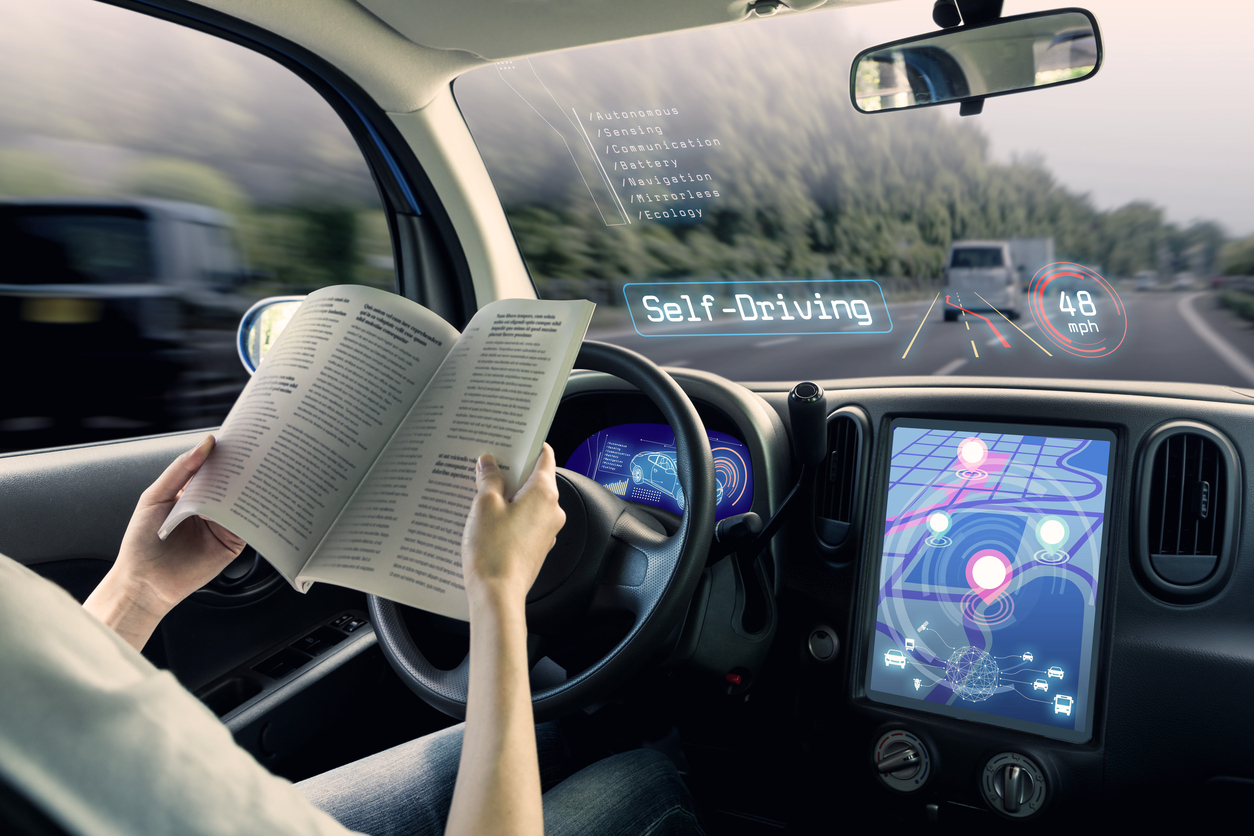
Technology is changing the way people travel through Oklahoma. Rideshare drivers can use apps to find passengers within seconds, and newer vehicles can steer, brake, accelerate, and respond to traffic through driver-assistance systems. When you consider these technologies, an interesting legal question arises: who is responsible when an Uber driver uses Tesla Autopilot?
The answer may not be as simple as blaming either the driver or the technology. Depending on what caused the collision, liability could involve the rideshare driver, another motorist, a vehicle manufacturer, or potentially multiple parties. Oklahoma has also enacted laws addressing automated driving systems, adding another layer to cases involving newer vehicle technology.
Is Tesla Autopilot Really Self-Driving?
The phrase “self-driving” can be misleading. Not every vehicle with automated features can operate without human involvement.
Some technologies simply assist the driver. Depending on the system, the vehicle might help control speed, maintain a lane, or respond to surrounding traffic. Other technology may qualify as a fully autonomous driving system. That difference matters after a car accident.
Oklahoma law specifically addresses fully autonomous vehicles and automated driving systems. State law permits qualifying autonomous vehicles to operate without a human driver when statutory requirements are satisfied.
However, when a human driver remains responsible for operating or supervising a vehicle, using an advanced driving feature does not automatically excuse careless driving.
Can an Uber Driver Be Liable for an Autopilot Accident?
Yes. Uber drivers have the same basic responsibility as other motorists to drive safely. Turning on an automated feature does not necessarily allow the driver to ignore traffic.
An Uber driver could potentially bear liability for an accident if they:
- Looked at the rideshare app instead of the road
- Failed to respond to a vehicle warning
- Did not take control when necessary
- Followed another vehicle too closely
- Drove too fast for the conditions
- Used an automated feature improperly
- Drove while tired or impaired
Imagine an Uber driver using an automated feature while approaching stopped traffic. If the system does not slow the vehicle quickly enough and the driver is distracted by the rideshare app, the driver may still be responsible for failing to react.
Could a Vehicle Manufacturer Be Responsible?
An automated driving feature depends on complicated combinations of hardware and software. Cameras, sensors, braking systems, steering components, and computer programs may all play a role. If a defective product contributes to a crash, a claim could potentially involve a manufacturer or another company responsible for the defective component.
An investigation might ask whether:
- The vehicle failed to detect an obstacle
- The braking system responded improperly
- A sensor malfunctioned
- Software caused an unsafe maneuver
- The vehicle gave inadequate warnings
- Another defect contributed to the collision
Determining whether technology caused a crash often requires technical evidence. Vehicle data, inspection results, electronic records, and expert analysis may help establish whether the system performed properly.
Does Uber’s Insurance Cover an Autopilot Accident?
Insurance coverage in a rideshare accident often depends on what the driver was doing when the crash occurred.
If the Uber driver was not logged into the rideshare app, the driver’s personal automobile insurance will generally be the primary coverage at issue. When the driver is logged in and working through the app, coverage may apply.
The amount of coverage can also vary based on whether the driver was waiting on a request, picking up a passenger, or actively transporting one. Oklahoma rideshare claims require evidence of the driver’s exact app status when the collision occurred.
An attorney can investigate the available policies and determine which coverage applies.
What Damages Can You Recover?
A crash involving an Uber driver and automated technology can cause serious injuries. If another party’s negligence caused injuries, the victim may be able to seek compensation for economic and non-economic damages.
Economic damages are the financial costs connected to the accident, including:
- Medical expenses
- Future medical treatment
- Rehabilitation
- Lost wages
- Reduced earning capacity
- Property damage
- Other out-of-pocket expenses
A serious injury can also affect your life in ways that do not come with a receipt. Compensation may be available for non-economic damages, such as:
- Pain and suffering
- Emotional distress
- Physical impairment
- Scarring or disfigurement
- Loss of quality of life
The amount available will depend on the injuries, evidence, insurance coverage, and other facts of the case.
Contact McIntyre Law To Schedule a Free Consultation With an Oklahoma City Personal Injury Attorney
Technology may change how vehicles operate, but accident victims still deserve answers when they are harmed. Liability for an accident involving an Uber driver or Tesla Autopilot depends on what actually caused the collision.
If you were injured in an automated-vehicle or rideshare accident in Oklahoma, don’t wait. Contact McIntyre Law for a free consultation with an Oklahoma City personal injury lawyer today. We will help you pursue the recovery available under Oklahoma law.
Reach out to McIntyre Law for help today. We proudly serve injured clients throughout Oklahoma City, Oklahoma County, and surrounding communities across Oklahoma.
McIntyre Law P.C. – Oklahoma City
8601 S Western Ave,
Oklahoma City, OK 73139
Monday–Friday: 8:30 AM–5:30 PM
(405) 917-5200