

Alcohol and drug use can impair a truck driver’s judgment, reaction time, coordination, and ability to operate a commercial vehicle safely. When an impaired truck driver causes a crash in Oklahoma City, OK, injured victims may be able to pursue compensation from the parties responsible.
McIntyre Law represents people injured in serious truck accidents. Contact us at (405) 917-5200 to schedule a free consultation with an Oklahoma City truck accident lawyer and learn more about your options after a collision.
Why Choose McIntyre Law for Help After a Drug- or Alcohol-Related Truck Accident in Oklahoma City
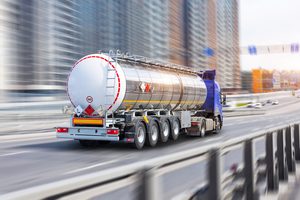
Commercial truck accident cases can involve evidence and regulations that do not apply to ordinary passenger vehicle crashes. An Oklahoma City truck accident attorney at our firm can investigate whether alcohol or drug use contributed to the collision and determine which parties may be responsible.
Our Oklahoma City personal injury lawyers have 165 years of combined experience and have recovered more than $900 million for clients. Members of the firm have also received recognition from organizations including Super Lawyers, The National Trial Lawyers, and the Oklahoma Association for Justice.
A truck accident investigation may involve driver testing records, employment files, electronic logging information, crash reports, and other evidence. Contact McIntyre Law for a free consultation if you were injured in a commercial truck crash in Oklahoma City, Oklahoma.
What Evidence Is Used to Investigate Driver Impairment?
Drug or alcohol impairment may not be obvious after a truck accident. Evidence can disappear quickly, and a driver may deny consuming alcohol or using a controlled substance before the collision.
Depending on the circumstances, an investigation may examine:
- Post-accident drug or alcohol test results
- The driver’s employment and safety records
- Records from the FMCSA Drug and Alcohol Clearinghouse
- Police reports and citations
- Witness statements
- Dashboard or surveillance video
- Electronic logging device data
- Cellphone records
- The truck driver’s medical and prescription information, when legally available
This evidence can help establish what happened before the crash and whether the driver or trucking company violated applicable safety rules. An attorney can also investigate whether the carrier knew of previous substance-use violations or failed to follow required testing procedures.
What Federal Drug and Alcohol Rules Apply to Commercial Truck Drivers?
The Federal Motor Carrier Safety Administration (FMCSA) requires CDL drivers who operate covered commercial motor vehicles on public roads to follow federal drug and alcohol testing rules. These requirements appear primarily in 49 C.F.R. Parts 40 and 382.
Federal rules prohibit covered commercial drivers from:
- Reporting for or remaining on duty with an alcohol concentration of 0.04 or higher
- Consuming alcohol while performing safety-sensitive duties
- Consuming alcohol within four hours before going on duty
- Using certain controlled substances unless their use complies with applicable medical requirements
- Refusing a required drug or alcohol test
A driver who has an alcohol concentration of at least 0.02 but less than 0.04 must also be removed from safety-sensitive duties for 24 hours.
These rules recognize the greater risks associated with operating large commercial vehicles. However, a regulatory violation and civil liability are separate issues. The facts of the crash must still show who caused the collision and the resulting injuries.
What Drugs Are Commercial Truck Drivers Tested For?
DOT drug testing covers five classes of controlled substances.
The FMCSA identifies them as:
- Marijuana
- Cocaine
- Opiates and certain opioid drugs
- Amphetamines and methamphetamines
- Phencyclidine, commonly called PCP
Federal drug tests detect drug use rather than directly measuring impairment at the time of a crash. For that reason, test results may be only one part of a broader truck accident investigation.
Employers may also have their own drug-testing policies that go beyond federal requirements. Those policies must be separate from the required DOT testing program.
When Are Truck Drivers Tested for Drugs and Alcohol?
Federal regulations require testing in several circumstances.
Depending on the type of test, these may include:
- Pre-employment
- Random testing
- Reasonable suspicion
- Certain qualifying accidents
- Return-to-duty testing
- Follow-up testing
Post-accident testing is not automatically required after every commercial truck collision. Testing is required after a fatal crash. In certain nonfatal crashes involving immediate medical treatment away from the scene or disabling damage requiring a vehicle to be towed, testing requirements also depend on whether the commercial driver receives a qualifying citation.
When required testing occurs, the results may become important evidence in a later injury claim.
Can a Trucking Company Be Responsible for an Impaired Driver?
A trucking company may sometimes share responsibility for a crash caused by one of its drivers. Whether the company is legally responsible depends on the facts.
For example, an investigation may examine whether the carrier complied with federal drug and alcohol testing requirements, reviewed required driver information, responded appropriately to a prior violation, or allowed a driver to perform safety-sensitive duties when federal rules required removal.
Employers subject to FMCSA rules must report certain drug and alcohol violations to the federal Clearinghouse. Drivers with specified violations must generally be removed from safety-sensitive functions until they satisfy applicable return-to-duty requirements.
Other parties could also bear responsibility depending on how the collision occurred. Identifying every potentially liable party can be particularly important when a truck crash causes severe or permanent injuries.
Call Our Oklahoma City Truck Accident Lawyers for a Free Consultation
Questions about impairment can add another layer of complexity to a commercial truck accident claim. Testing records, federal compliance information, and evidence from the trucking company may all become relevant when determining why the collision happened.
McIntyre Law can review the circumstances of the crash and explain the options available for pursuing compensation. Contact us to schedule a free consultation about truck driver drug and alcohol use with an Oklahoma City truck accident attorney.