

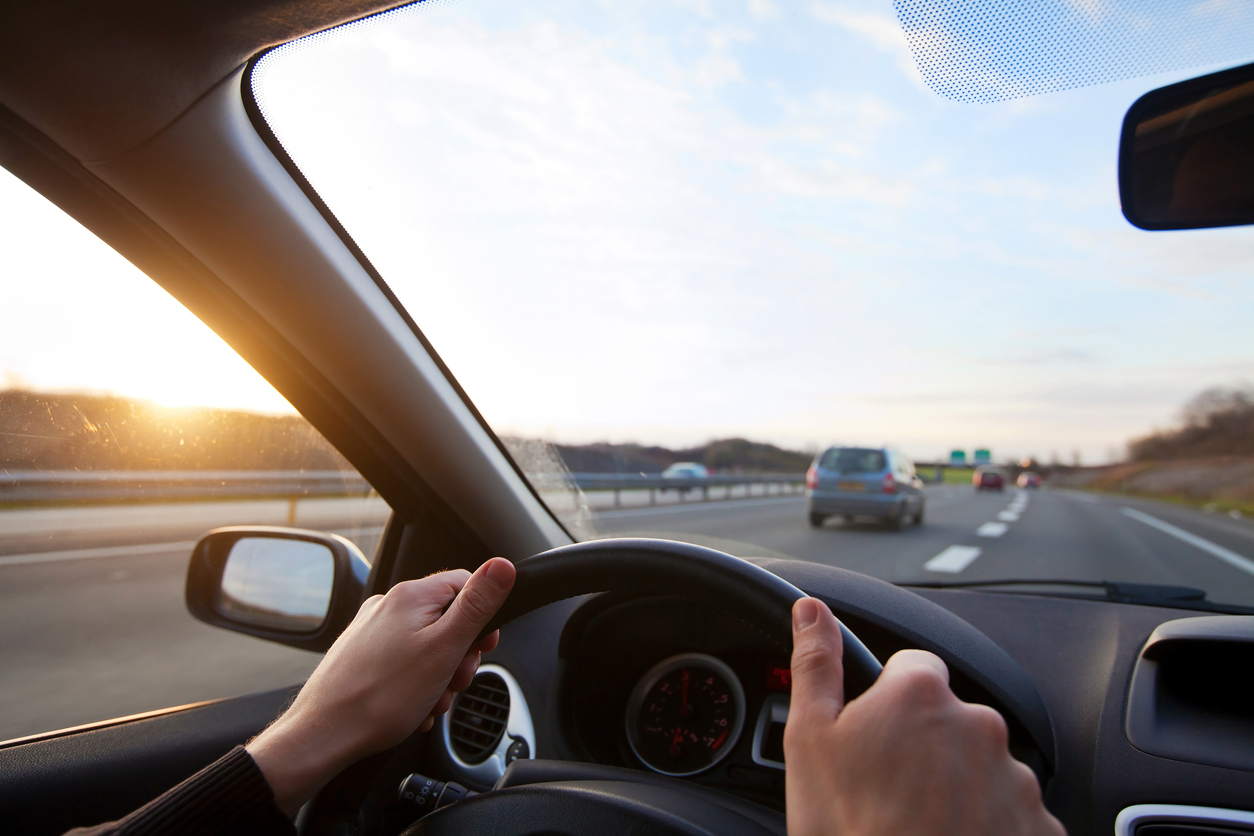
Oklahoma City has a large network of highways, interstates, and busy streets that connect neighborhoods, businesses, and surrounding communities. While these routes make traveling throughout the city easier, some have a history of serious car accidents.
The city’s Vision Zero Action Plan, adopted in 2025, identifies several high-risk corridors and intersections where safety improvements could help prevent future crashes. Understanding where serious accidents occur can help motorists stay alert while traveling through Oklahoma City.
What Are the Most Dangerous Highways in Oklahoma City?
Several major highways run through Oklahoma City, carrying thousands of commuters and commercial vehicles each day. Heavy traffic, high speeds, and complex interchanges can increase the likelihood of dangerous collisions.
Although crash risks vary along these routes, several major highways deserve particular attention because of their traffic patterns and potential hazards.
Interstate 40 (I-40)
I-40 runs east to west through Oklahoma City and serves as a major transportation route for commuters and commercial trucks.
Heavy traffic and frequent merging can create dangerous conditions, particularly near major interchanges. Drivers traveling through downtown or approaching connections with other interstates should watch for sudden slowdowns, unsafe lane changes, and vehicles entering the highway.
Interstate 44 (I-44)
I-44 connects several major routes throughout Oklahoma City. Drivers may encounter congested interchanges, frequent lane changes, and merging traffic.
The city’s Vision Zero Action Plan identified the intersection of I-44 and Northwest Expressway as one of the city’s highest-crash intersections during the study period.
Interstate 35 (I-35)
I-35 is a major north-south highway that passes through Oklahoma City. It carries local commuters, travelers, and commercial trucks.
Crashes can occur when drivers follow too closely, make sudden lane changes, or fail to adjust their speed for traffic conditions. Congestion around highway connections can make these risks worse.
Interstate 240 (I-240)
I-240 serves southern Oklahoma City and connects with other major highways.
The interchange at I-240 and Western Avenue appeared among the city’s 10 highest-crash intersections in the Vision Zero analysis. Its busy traffic patterns make careful merging, safe following distances, and attention to surrounding vehicles especially important.
What Are the Most Dangerous Streets and Roads in Oklahoma City?
Dangerous crashes aren’t limited to highways. Major city streets can present serious risks because of frequent intersections, turning vehicles, pedestrians, and traffic signals.
Oklahoma City’s Vision Zero Action Plan identified several corridors for further safety study, including:
- Northwest Expressway between North Council Road and North Wilshire Boulevard was selected for safety improvements.
- NE 23rd Street between I-35 and North Bartell Road was identified as a priority corridor due to its crash history.
- NW 23rd Street between North Ann Arbor Avenue and I-44 was selected for further study and safety improvements.
- South Pennsylvania Avenue, between Southwest Grand Boulevard and Southwest 59th Street, was identified as another priority corridor.
These roads were selected based on crash patterns and other planning factors. Their inclusion does not mean every section has the same level of risk.
What Are the Most Dangerous Intersections in Oklahoma City?
Intersections can be especially hazardous because vehicles approach from multiple directions while drivers make turns, stop, and accelerate.
According to the city’s Vision Zero Action Plan, intersections with some of the highest crash totals in recent years included:
- South Western Avenue and Southwest 119th Street
- South Western Avenue and Southwest 104th Street
- North Pennsylvania Avenue and Northwest 122nd Street
- I-44 and Northwest Expressway
- Northwest Expressway and North Rockwell Avenue
- Northwest Expressway and North Portland Avenue
These locations had high numbers of reported crashes during the study period, although crash totals alone do not establish which intersections have the highest risk per vehicle.
Motorists should approach busy intersections cautiously, obey traffic signals, and watch for vehicles making unexpected turns.
What Makes Certain Oklahoma City Roads So Dangerous?
Several factors can contribute to serious accidents, regardless of where someone is driving.
Common hazards include:
- Speeding
- Distracted driving
- Heavy traffic
- Unsafe lane changes
- Poor visibility
- Impaired driving
Even familiar roads can become dangerous when motorists fail to exercise reasonable care. Understanding the risks of distracted driving and other unsafe behaviors can help drivers make safer decisions.
Contact an Oklahoma City Car Accident Lawyer at McIntyre Law for a Free Consultation
A serious crash can leave you dealing with injuries, medical bills, lost income, and uncertainty about your future. If another driver’s negligence caused your accident, you may have grounds to seek compensation for your losses.
An experienced lawyer can investigate the collision, gather evidence, handle insurance negotiations, and help you understand your legal options. If you were injured in a crash caused by another driver’s negligence, contact an Oklahoma City car accident attorney at McIntyre Law today to schedule a free consultation.
Reach out to McIntyre Law for help today. We proudly serve injured clients throughout Oklahoma City, Oklahoma County, and surrounding communities across Oklahoma.
McIntyre Law P.C. – Oklahoma City
8601 S Western Ave,
Oklahoma City, OK 73139
Monday–Friday: 8:30 AM–5:30 PM
(405) 917-5200